
AI Surveillance & Security Robots: A 2026 Buyer’s Guide
AI-assisted surveillance has moved well beyond motion-triggered clips. Modern systems classify people, vehicles and packages on-device, track subjects across a scene and only alert you when something genuinely matters. This guide breaks down what actually separates a capable AI security system from an expensive false-alarm generator — and how to match one to your site.
Detection quality is the whole game
The single biggest difference between systems is how accurately they distinguish a person from a swaying branch, a passing car or a house cat. Look for on-device (edge) AI that performs person, vehicle and package classification locally rather than uploading every clip to the cloud. Edge processing means faster alerts, lower bandwidth use and better privacy.
Pay attention to how a system handles tracking. Auto-tracking and dual-lens designs that keep a subject framed as they move across a scene dramatically reduce the number of clips you have to review, because one continuous event replaces a dozen fragmented ones.
Night performance and field of view
Most incidents happen after dark, so colour night vision and a strong infrared range matter more than daytime resolution. A 2K or 4K sensor is only useful at night if it is paired with a good low-light pipeline and adequate IR or spotlight illumination.
Balance resolution against field of view and storage. A wide-angle camera covers more ground per unit but resolves less detail at distance; a narrower, higher-zoom camera identifies faces and plates but needs more units for full coverage. Plan camera placement around choke points — gates, doors and driveways — rather than trying to see everything at once.
Storage, privacy and running costs
Decide early between local storage (microSD, base-station or NVR) and cloud subscriptions. Local storage has no recurring fee and keeps footage on-premises; cloud adds convenience and off-site backup but becomes a monthly cost that should be included in your total cost of ownership.
For any system that records people, check the data-retention controls and whether processing happens locally. On a commercial site you may have signage and retention obligations — a system with configurable retention and local storage makes compliance far simpler.
What to prioritise
- On-device (edge) person / vehicle / package classification, not just motion
- Colour night vision with a stated IR or spotlight range
- Local storage option so you are not locked into a subscription
- Auto-tracking or dual-lens framing to cut down review time
- Weather rating (IP65+) for any outdoor placement
- Clear data-retention and privacy controls
AI Surveillance & Security we recommend
Hand-picked from our catalog. Prices are estimates — tap through for current pricing and availability.
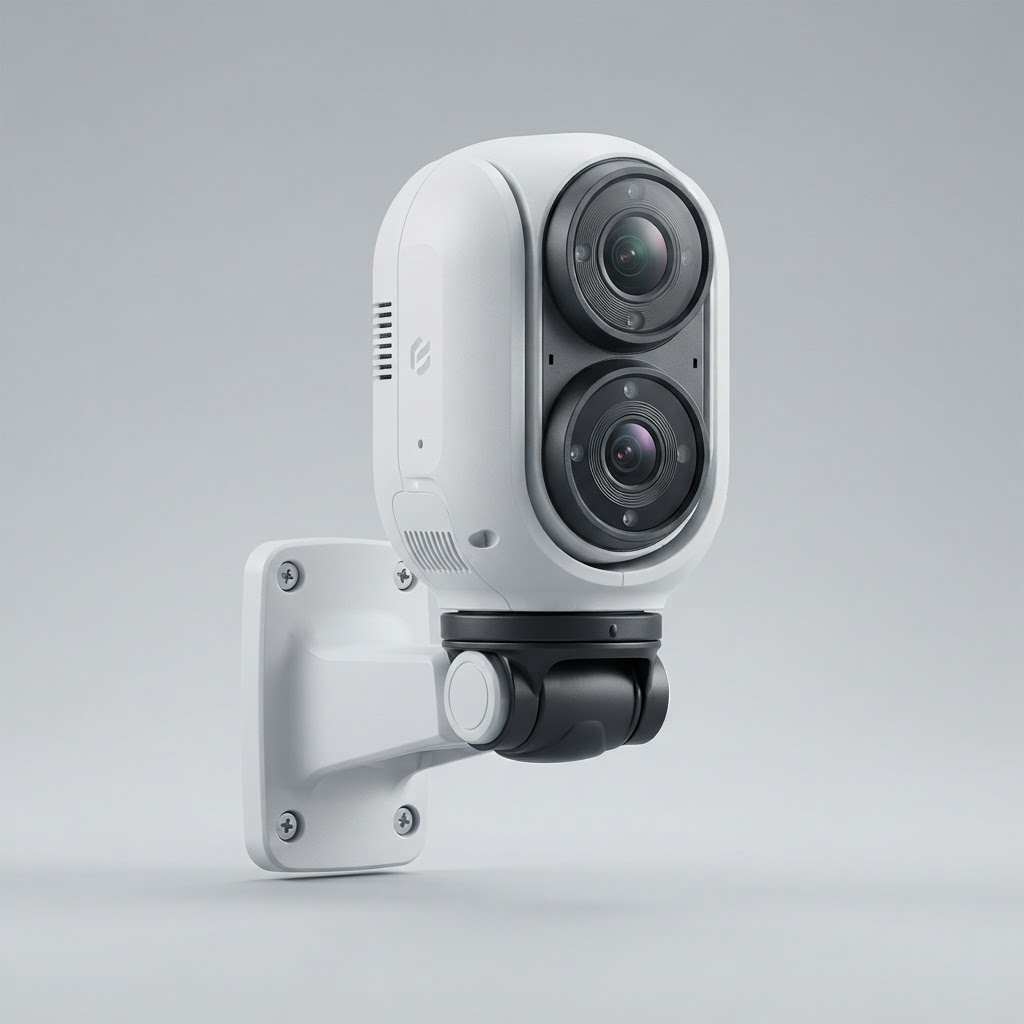 AI Surveillance & SecurityIn stock
Reolink
TrackMix PoE
Reolink TrackMix PoE
Dual-lens auto-tracking AI camera
From
$119
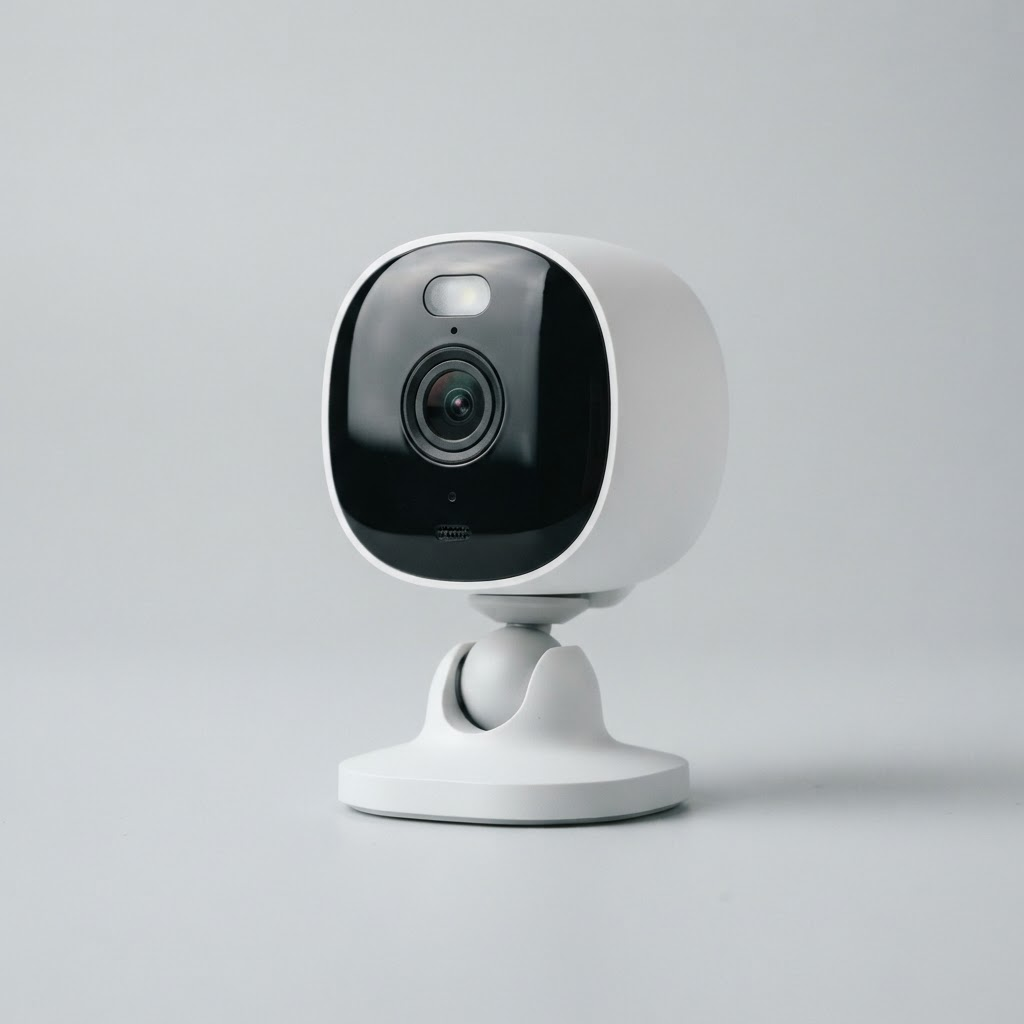 AI Surveillance & SecurityIn stock
eufy (Anker)
S3 Pro
eufyCam S3 Pro
Wireless 4K AI camera with on-device detection
From
$219
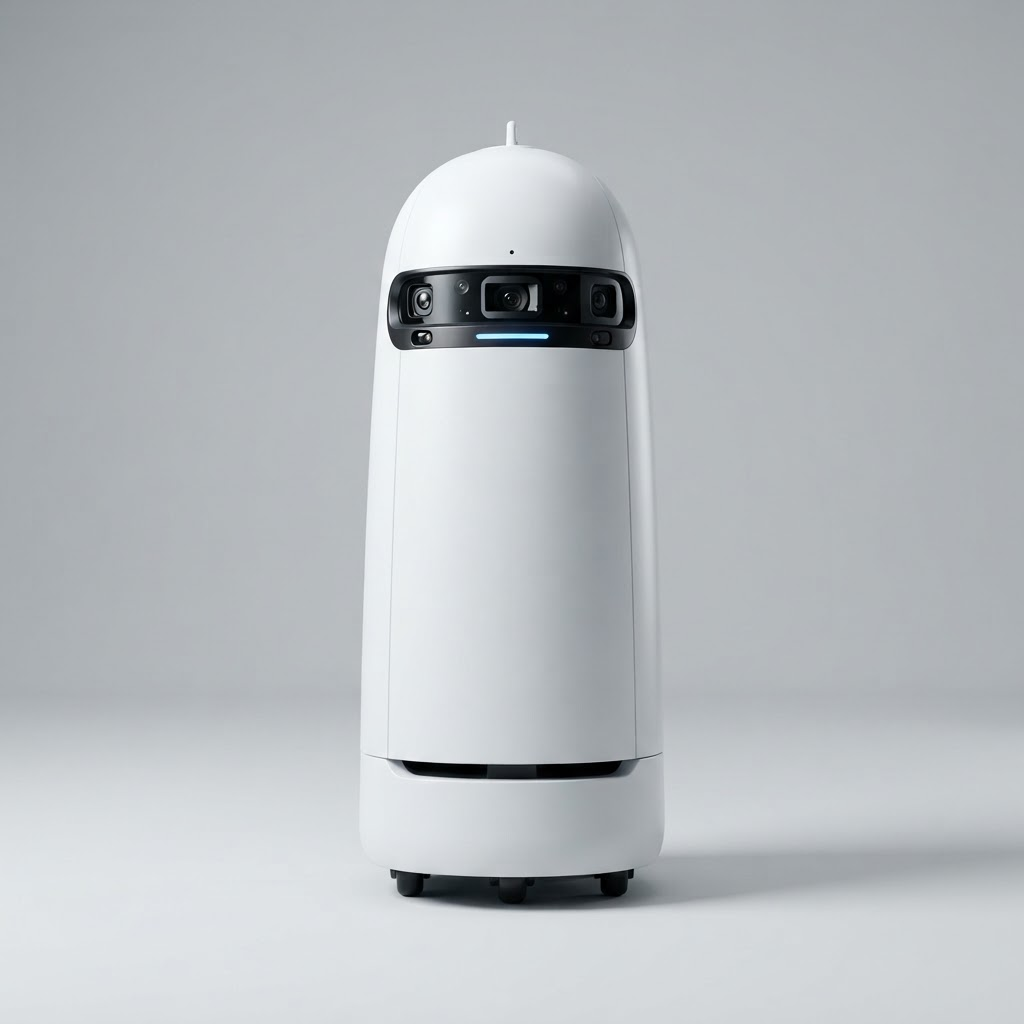 AI Surveillance & Security12wk lead
Knightscope
K5 ADM
Knightscope K5
Autonomous outdoor security patrol robot
From
$79,000
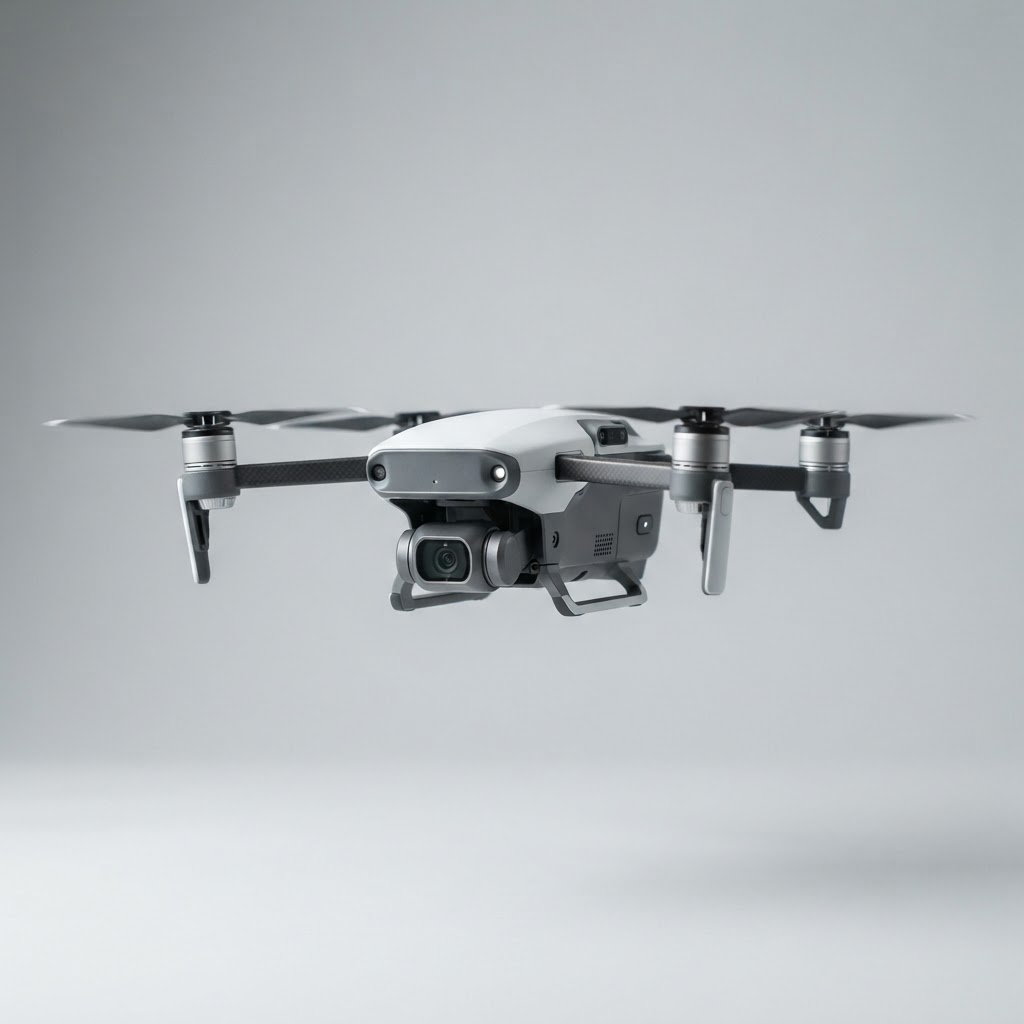 AI Surveillance & Security16wk lead
Sunflower Labs
The Bee
Sunflower Labs Bee
Autonomous AI home security drone
From
$9,950
Frequently asked questions
Do AI security robots need a monthly subscription?
Not necessarily. Many systems record to local storage (microSD, a base station or an NVR) with no recurring fee. Subscriptions typically add cloud backup, longer history and some advanced AI features — useful, but optional. Always factor any subscription into the total cost of ownership.
What is the difference between motion detection and AI detection?
Motion detection triggers on any pixel change — wind, shadows, rain — which produces a flood of false alerts. AI detection classifies what caused the motion (a person, a vehicle, a package) and only alerts on the categories you care about, dramatically reducing noise.
How many cameras do I need?
Cover choke points first — entrances, gates and driveways — rather than trying to see every square foot. A typical small commercial site is well served by three to six cameras placed at approach paths, with higher-zoom units where you need to identify faces or plates.
Not sure which model fits your needs?
Tell us your use case and our team will point you to the right machine — independent advice, no sales pressure.